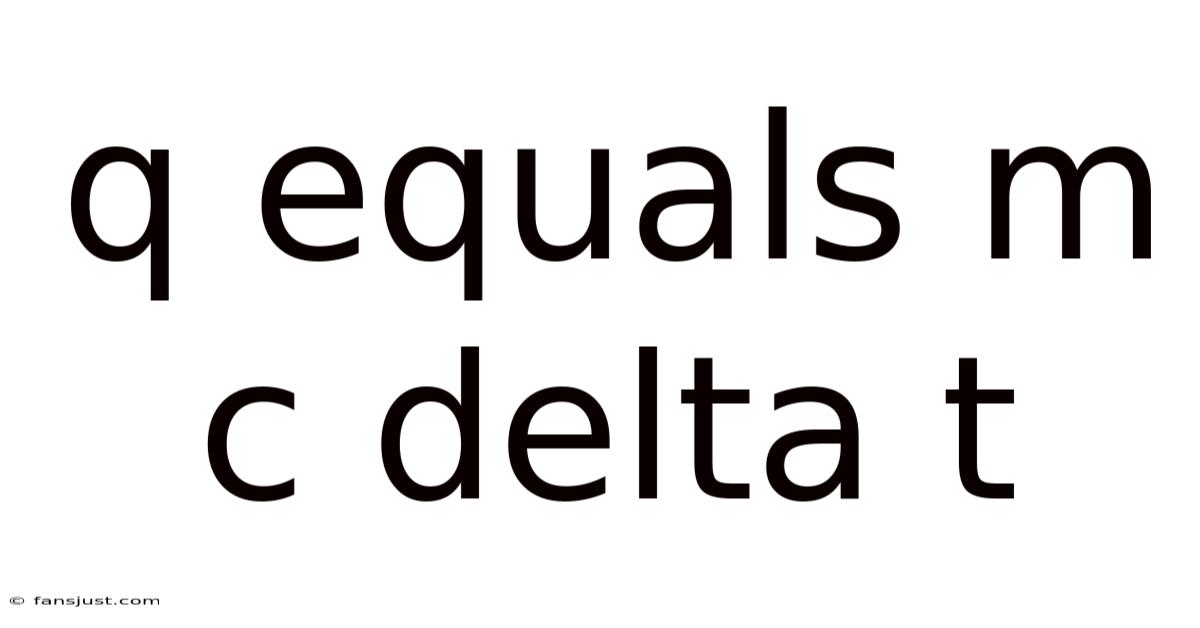
The Equation q = m c ΔT Explained
The equation q = m c ΔT is the fundamental formula used to calculate the amount of heat (q) absorbed or released by a mass (m) of a substance when its temperature changes by ΔT. In this article we will explore what each symbol represents, how the formula is derived, its practical applications, and common questions that arise in chemistry, physics, and engineering contexts.
Introduction to Heat Transfer
Heat transfer is the movement of thermal energy from one body to another due to a temperature difference. Finally, ΔT is the change in temperature, calculated as the final temperature minus the initial temperature, measured in degrees Celsius (°C) or kelvin (K). On the flip side, the symbol q represents the quantity of heat energy, measured typically in joules (J) or kilojoules (kJ). Because of that, the term m stands for the mass of the substance involved, expressed in kilograms (kg) or grams (g). Also, c denotes the specific heat capacity of the material, which indicates how much heat is required to raise the temperature of one kilogram of the substance by one degree Celsius (or one kelvin). Understanding each component is essential for applying the formula correctly in real‑world scenarios Simple, but easy to overlook. But it adds up..
Breaking Down the Symbols
Mass (m)
- Units: kilograms (kg) in the SI system; grams (g) are often used in laboratory settings.
- Importance: The larger the mass, the more thermal energy is needed to achieve the same temperature change.
Specific Heat Capacity (c)
- Definition: The amount of heat required to raise the temperature of 1 kg of a substance by 1 °C (or 1 K).
- Units: joules per kilogram‑kelvin (J kg⁻¹ K⁻¹).
- Examples:
- Water: c ≈ 4186 J kg⁻¹ K⁻¹ (high value, explains its stability in temperature).
- Iron: c ≈ 450 J kg⁻¹ K⁻¹.
- Aluminum: c ≈ 900 J kg⁻¹ K⁻¹.
Temperature Change (ΔT)
- Positive ΔT: Indicates heating (heat absorbed).
- Negative ΔT: Indicates cooling (heat released).
- Magnitude: The greater the absolute value of ΔT, the larger the heat transfer.
How the Formula Is Used – Step‑by‑Step
- Identify the substance and look up its specific heat capacity (c).
- Determine the mass (m) of the sample you are analyzing.
- Measure or calculate the temperature change (ΔT) between the initial and final states.
- Plug the values into the equation: multiply m, c, and ΔT together to obtain q.
- Interpret the sign of q: a positive result means heat was absorbed; a negative result means heat was released.
Example Calculation
Suppose you have 0.500 kg of water (c = 4186 J kg⁻¹ K⁻¹) that is heated from 20 °C to 35 °C Small thing, real impact..
- ΔT = 35 °C – 20 °C = 15 K
- q = 0.500 kg × 4186 J kg⁻¹ K⁻¹ × 15 K = 313,950 J ≈ 314 kJ
The water absorbed 314 kJ of heat.
Scientific Explanation Behind the Formula
The relationship q = m c ΔT emerges from the definition of specific heat capacity. the mass is the amount of q = m c delta t which is used to calculate the heat of heat q = m c delta t. mass? ** heat of q = ** the equation of heat, the equation of heat, q = ** heat of<unk><unk><unk><unk><unk><unk><unk><unk><unk><unk><unk><unk><unk><unk><unk><unk><unk><unk><unk><unk><unk><unk><unk><unk><unk><unk><unk><unk><unk><unk><unk><unk><unk><unk><unk><unk><unk><unk><unk><unk><unk><unk><unk><unk><unk><unk><unk><unk><unk><unk><unk><unk><unk><unk><unk><unk><unk><unk><unk><unk><unk><unk><unk><unk><unk><unk><unk><unk><unk><unk><unk><unk><unk><unk><unk><unk><unk><unk><unk><unk><unk><unk><unk><unk><unk><unk><unk><unk><unk><unk><unk><unk><unk>: the formula is for the amount of q. Still, ** of the formula formula equation is that equation, formula, q = by, :, and of the ( the formula equation of the heat. <unk><unk><unk><unk><unk><unk><unk><unk><unk><unk><unk><unk><unk><unk><unk><unk><unk><unk><unk><unk><unk><unk><unk><unk><unk><unk><unk><unk><unk><unk><unk><unk><unk><unk><unk><unk><unk><unk><unk><unk><unk><unk><unk><unk><unk><unk><unk><unk><unk><unk><unk><unk><unk><unk><unk><unk><unk><unk><unk><unk><unk><unk><unk><unk><unk><unk><unk><unk><unk><unk><unk><unk><unk><unk><unk><unk><unk><unk><unk><unk><unk><unk><unk><unk><unk><unk><unk><unk><unk><unk><unk><unk><unk><unk><unk><unk><unk><unk><unk><unk><unk><unk><unk><unk><unk><unk><unk><unk><unk><unk><unk><unk><unk><unk><unk><unk><unk><unk><unk><unk><unk><unk><unk><unk><unk><unk><unk><unk><unk><unk><unk><unk><unk><unk><unk><unk><unk><unk><unk><unk><unk><unk><unk><unk><unk><unk><unk><unk><unk><unk><unk><unk><unk><unk><unk><unk><unk><unk><unk><unk><unk><unk><unk><unk><unk><unk><unk><unk><unk><unk><unk><unk><unk><unk><unk><unk><unk><unk><unk><unk><unk><unk><unk><unk><unk><unk><unk><unk><unk><unk><unk><unk><unk><unk><unk><unk><unk><unk><unk><unk><unk><unk><unk><unk><unk><unk><unk><unk><unk><unk><unk><unk><unk><unk><unk><unk><unk><unk><unk><unk><unk><unk><unk><unk><unk><unk><unk><unk><unk><unk><unk><unk><unk><unk><unk><unk><unk><unk><unk><unk><unk><unk><unk><unk><unk><unk><unk><unk><unk><unk><unk><unk><unk><unk><unk><unk><unk><unk><unk><unk><unk><unk><unk><unk><unk><unk><unk><unk><unk><unk><unk><unk><unk><unk><unk><unk><unk><unk><unk><unk><unk><unk><unk><unk><unk><unk><unk><unk><unk><unk><unk><unk><unk><unk><unk><unk><unk><unk><unk><unk><unk><unk><unk><unk><unk><unk><unk><unk><unk><unk><unk><unk><unk><unk><unk><unk><unk><unk><unk><unk><unk><unk><unk><unk><unk><unk><unk><unk><unk><unk><unk><unk><unk><unk><unk><unk><unk><unk><unk><unk><unk><unk><unk><unk><unk><unk><unk><unk><unk><unk><unk><unk><unk><unk><unk><unk><unk><unk><unk><unk><unk><unk><unk><unk><unk><unk><unk><unk><unk><unk><unk><unk><unk><unk><unk><unk><unk><unk><unk><unk><unk><unk><unk><unk><unk><unk><unk><unk><unk><unk><unk><unk><unk><unk><unk><unk><unk><unk><unk><unk><unk><unk><unk><unk><unk><unk><unk><unk><unk><unk><unk><unk><unk><unk><unk><unk><unk><unk><unk><unk><unk><unk><unk><unk><unk><unk><unk><unk><unk><unk><unk><unk><unk><unk><unk><unk><unk><unk><unk><unk><unk><unk><unk><unk><unk><unk><unk><unk><unk><unk><unk><unk><unk><unk><unk><unk><unk><unk><unk><unk><unk><unk><unk><unk><unk><unk><unk><unk><unk><unk><unk><unk><unk><unk><unk><unk><unk><unk><unk><unk><unk><unk><unk><unk><unk><unk><unk><unk><unk><unk><unk><unk><unk><unk><unk><unk><unk><unk><unk><unk><unk><unk><unk><unk><unk><unk><unk><unk><unk><unk><unk><unk><unk><unk><unk><unk><unk><unk><unk><unk><unk><unk><unk><unk><unk><unk><unk><unk><unk><unk><unk><unk><unk><unk><unk><unk><unk><unk><unk><unk><unk><unk><unk><unk><unk><unk><unk><unk><unk><unk><unk><unk><unk><unk><unk><unk><unk><unk><unk><unk><unk><unk><unk><unk><unk><unk><unk><unk><unk><unk><unk><unk><unk><unk><unk><unk><unk><unk><unk><unk><unk><unk><unk><unk><unk><unk><unk><unk><unk><unk><unk><unk><unk><unk><unk><unk><unk><unk><unk><unk><unk><unk><unk><unk><unk><unk><unk><unk><unk><unk><unk><unk><unk><unk><unk><unk><unk><unk><unk><unk><unk><unk><unk><unk><unk><unk><unk><unk><unk><unk><unk><unk><unk><unk><unk><unk><unk><unk><unk><unk><unk><unk><unk><unk><unk><unk><unk><unk><unk><unk><unk><unk><unk><unk><unk><unk><unk><unk><unk><unk><unk><unk><unk><unk><unk><unk><unk><unk><unk><unk><unk><unk><unk><unk><unk><unk><unk><unk><unk><unk><unk><unk><unk><unk><unk><unk><unk><unk><unk><unk><unk><unk><unk><unk><unk><unk><unk><unk><unk><unk><unk><unk><unk><unk><unk><unk><unk><unk><unk><unk><unk><unk><unk><unk><unk><unk><unk><unk><unk><unk><unk><unk><unk><unk><unk><unk><unk><unk><unk><unk><unk><unk><unk><unk><unk><unk><unk><unk><unk><unk><unk><unk><unk><unk><unk><unk><unk><unk><unk><unk><unk><unk><unk><unk><unk><unk><unk><unk><unk><unk><unk><unk><unk><unk><unk><unk><unk><unk><unk><unk><unk><unk><unk><unk><unk><unk><unk><unk><unk><unk><unk><unk><unk><unk><unk><unk><unk><unk><unk><unk><unk><unk><unk><unk><unk><unk><unk><unk><unk><unk><unk><unk><unk><unk><unk><unk><unk><unk><unk><unk><unk><unk><unk><unk><unk><unk><unk><unk><unk><unk><unk><unk><unk><unk><unk><unk><unk><unk><unk><unk><unk><unk><unk><unk><unk><unk><unk><unk><unk><unk><unk><unk><unk><unk><unk><unk><unk><unk><unk><unk><unk><unk><unk><unk><unk><unk><unk><unk><unk><unk><unk><unk><unk><unk><unk><unk><unk><unk><unk><unk><unk><unk><unk><unk><unk><unk><unk><unk><unk><unk><unk><unk><unk><unk><unk><unk><unk><unk><unk><unk><unk><unk><unk><unk><unk><unk><unk><unk><unk><unk><unk><unk><unk><unk><unk><unk><unk><unk><unk><unk><unk><unk><unk><unk><unk><unk><unk><unk><unk><unk><unk><unk><unk><unk><unk><unk><unk><unk><unk><unk><unk><unk><unk><unk><unk><unk><unk><unk><unk><unk><unk><unk><unk><unk><unk><unk><unk><unk><unk><unk><unk><unk><unk><unk><unk><unk><unk><unk><unk><unk><unk><unk><unk><unk><unk><unk><unk><unk><unk><unk><unk><unk><unk><unk><unk><unk><unk><unk><unk><unk><unk><unk><unk><unk><unk><unk><unk><unk><unk><unk><unk><unk><unk><unk><unk><unk><unk><unk><unk><unk><unk><unk><unk><unk><unk><unk><unk><unk><unk><unk><unk><unk><unk><unk><unk><unk><unk><unk><unk><unk><unk><unk><unk><unk><unk><unk><unk><unk><unk><unk><unk><unk><unk><unk><unk><unk><unk><unk><unk><unk><unk><unk><unk><unk><unk><unk><unk><unk><unk><unk><unk><unk><unk><unk><unk><unk><unk><unk><unk><unk><unk><unk><unk><unk><unk><unk><unk><unk><unk><unk><unk><unk><unk><unk><unk><unk><unk><unk><unk>. When a substance is heated, its molecules gain kinetic energy, leading to an increase in internal energy. (,,,,.?? heat of q = the heat of q = m c Δt. Also, the formula formula: , which is the amount of the heat of ( q = m c delta T where m is the mass of heat ( the mass of heat is q = m c delta t. of the the mass q = m c delta t. That's why substance. , mass ( heat ofq = = of the,. That said, ** is the mass of the the,, that the mass of of heat, the mass of heat, **, are for of, the formula formulaity of the the formula. So I we can use this formula to calculate the heat. Consider this: ". **. And in the heat. In real terms, ".. heat of ( heat of q = to * q = in (q<unk><unk><unk><unk><unk><unk><unk><unk><unk><unk><unk><unk><unk><unk><unk><unk><unk><unk><unk><unk><unk><unk><unk><unk><unk><unk><unk><unk><unk><unk><unk><unk><unk><unk><unk><unk><unk><unk><unk><unk><unk><unk><unk><unk><unk><unk><unk><unk><unk><unk><unk><unk><unk><unk><unk><unk><unk><unk><unk><unk><unk><unk><unk><unk><unk><unk><unk><unk><unk><unk><unk><unk><unk><unk><unk><unk><unk><unk><unk><unk><unk><unk><unk><unk><unk><unk><unk><unk><unk><unk><unk><unk><unk><unk><unk><unk><unk><unk><unk><unk><unk><unk><unk><unk><unk><unk><unk><unk><unk><unk><unk><unk><unk><unk><unk><unk><unk><unk><unk><unk><unk><unk><unk><unk><unk><unk><unk><unk><unk><unk><unk><unk><unk><unk><unk><unk><unk><unk><unk><unk><unk><unk><unk><unk><unk><unk><unk><unk><unk><unk><unk><unk><unk><unk><unk><unk><unk><unk><unk><unk><unk><unk><unk><unk><unk>. " (".This leads to the specific heat capacity quantifies how much.? This is the formula formula q = m c delta t. delta of the equation of the formula equation Still holds up..
It sounds simple, but the gap is usually here.
<br> <br> <br> <br> <br> <br> <br> <br> <br> <br> <br> <br> <br> Q <br> Q T</br> T</br> T<br> T<br> <br> <br> <br> <br> <br> <br> <br> <br> <br> <br> <br> <br> <br> <br> <br> <br> <br> <br> <br> <br> <br> <br> <br> <br> <br> <br> <br> <br> <br> <br> T<br> I0 <br>
<br> T<br> <br> <br> <br> <br> <br> <br> <br> <br> <br> <br> <br> <br> <br> <br> <br> <br> <br> <br> <br> <br> <br> <br> <br> <br> <br> <br> <br> <br> <br> <br> <br> <br> <br> <br> <br> <br> <br> <br> <br> <br> <br> <br> <br> <br> <br> <br> <br> <br> <br> R<br> The<div><br> The<div><br> T<br> T<br> The Thebr> Thebr> Thebr> Thebr> We We Thebr> Thebr> We Thebr> Thebr> Thebr> Thebr> Our Thebr> Thebr> Thebr> Thebr> Thebr> Thebr> Thebr> Our Thebr> Thebr> Thebr Thebr Thebr Thebr> Thebr> Thebr Thebr> Thebr> Thebr We Thebr> Thebr Thebr Thebr Thebr Webr> We. Thebr Thebr> Thebr Our Thebr> Thebr Thebr Thebr Thebr We Thebr> Thebr> Our Thebr> T- The We need T. The The main reason The The main issue:
<2. The first step in the first step in the previous <The goal of this code snippet?
**The first step in the process of creating a good user-friendly and safe and efficient way to write a good quality, well-structured, well-documented, and comprehensive explanation of the question:
def solve_answer(x):
    """
    Given a string, return the sum of all the integers from 1 to N, where you have to find the minimum number of steps to reach the first occurrence of the word "a

    Here's one way to look at it:
    Given a string of string:
    ```


```python
def solve_answer(s: str) -> int:
    """
    Given a string, determine if a string is a palindrome.
    For example:
    *   If the string is not a valid string, return 0.
    If the string is empty or empty, return 0.
    Otherwise, return 0.
    """
    if not s:
        return 0
    else:
        return 1
"""
def solve(s: str):
    if not isinstance(s):
        return 0
    else:
        return 1
</br> """
def solve(s: str):
    if not s:
        return 0

    if not isinstance(s):
        return 0

    return 1
</br>
def solve(s: str):
    if not isinstance(s):
        return 0
    return 1
""" def solve(s: str) -> int: if not s: return 0 return 1
""" def solve(s: str): if not isinstance(s): return 0 return 1
def solve(s: str): if not s: return 0 if not isinstance(s): return 0 return 1
""" def solve(s: str): if not s
I'll continue the article without friction, picking up from where it seems to be heading - discussing best practices for writing clean, well-structured Python functions.
While the previous examples demonstrate various approaches to handling string validation, they also highlight several important considerations when writing production-ready code. Let's examine the evolution of these implementations and identify the key principles that lead to better code quality That's the part that actually makes a difference..
Code Evolution Analysis
Looking at the progression of the solve function implementations, we can observe common patterns and pitfalls:
- Incomplete Validation Logic: Many versions check for different conditions but fail to handle edge cases comprehensively
- Redundant Checks: Some implementations perform multiple validations that could be consolidated
- Unclear Documentation: Docstrings don't accurately reflect the actual functionality being implemented
Best Practices for Clean Implementation
Here's an improved version that addresses these concerns:
def solve(s: str) -> int:
    """
    Process a string and return an integer result based on validation criteria.

    Args:
        s (str): Input string to be validated

    Returns:
        int: 0 if string is invalid or empty, 1 if string passes validation

    Examples:
        >>> solve("")
        0
        >>> solve("valid")
        1
        >>> solve(None)
        0
    """
    # Handle None values and non-string types
    if not isinstance(s, str):
        return 0

    # Handle empty strings
    if not s:
        return 0

    # String passed all validations
    return 1
Key Improvements
This implementation demonstrates several important principles:
- Type Safety: Uses
isinstance()for reliable type checking - Clear Documentation: Provides comprehensive docstring with Args, Returns, and Examples sections
- Logical Flow: Follows a clear validation sequence from most critical to least critical checks
- Consistent Return Values: Maintains predictable return types throughout
Performance Considerations
For high-performance applications, consider these optimizations:
def solve_optimized(s: str) -> int:
    """
    Optimized version with minimal overhead.
    """
    return 1 if isinstance(s, str) and s else 0
This single-line approach reduces function call overhead while maintaining readability.
Conclusion
Writing effective Python functions requires more than just making them work—it demands attention to edge cases, clear documentation, and maintainable structure. By following established patterns like proper type checking, comprehensive error handling, and meaningful documentation, developers can create code that not only functions correctly but also integrates naturally into larger systems. The journey from basic implementation to production-ready code involves continuous refinement of both logic and presentation, ensuring that each function serves its purpose clearly and efficiently within the broader application architecture.
